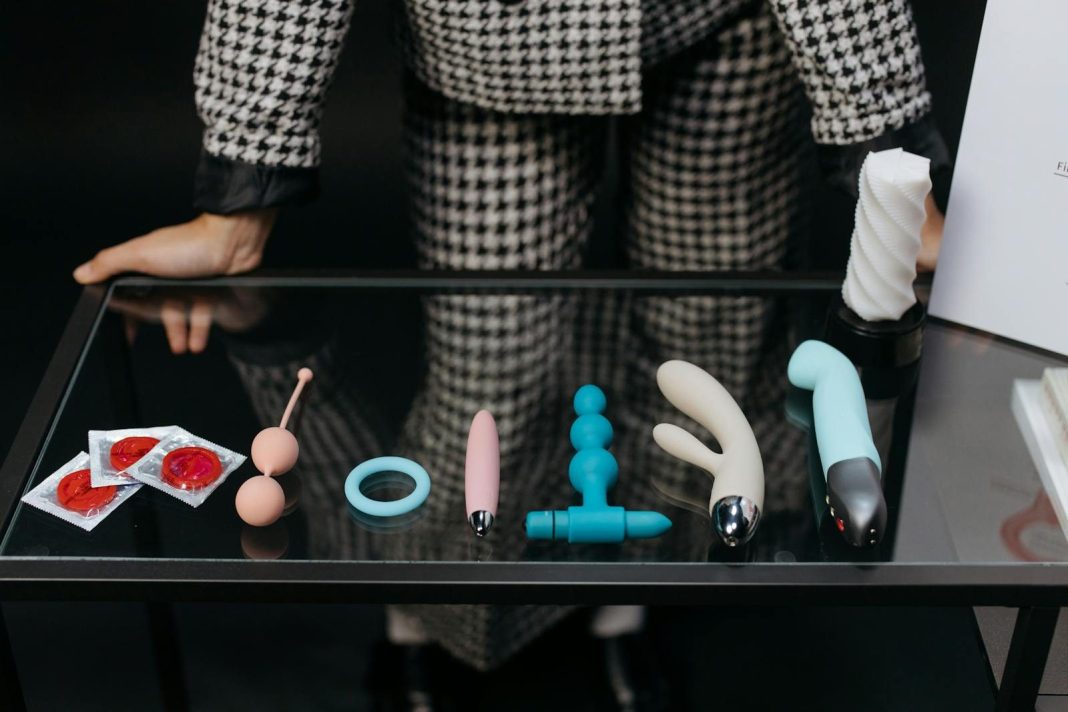

Taking care of your personal items is a fundamental part of maintaining your overall health and well-being. When you invest in personal wellness devices, keeping them in excellent condition ensures they remain safe, effective, and enjoyable for a long time. Proper maintenance prevents the buildup of harmful bacteria and protects the integrity of the materials.
Many people feel unsure about the exact steps required to clean these items correctly. Different materials demand different care routines, and using the wrong cleaning agent can easily ruin a brand-new device. You might be wondering if soap and water are enough or if you need specialized cleaners. Understanding the specific needs of your items will give you peace of mind and protect your investment.
This guide provides a comprehensive, step-by-step approach to cleaning and storing your devices. We will walk through the different types of materials, the best cleaning solutions to use, and the exact steps to follow before and after every use. By the end of this article, you will have a clear routine to keep your collection pristine, safe, and ready for whenever you need it.
Why Regular Cleaning is Absolutely Essential
Hygiene should always be your top priority. Bodily fluids, lubricants, and natural skin oils create an environment where bacteria and yeast can thrive if left unwashed. Using an improperly cleaned device can introduce these pathogens to sensitive areas, potentially leading to discomfort, skin irritation, or infections like bacterial vaginosis and yeast infections.
Cleaning your items also dramatically extends their lifespan. High-quality devices are often an investment. Leaving lubricants or natural oils on the surface can cause certain materials to degrade, become sticky, or develop microscopic tears where more bacteria can hide. A consistent cleaning routine preserves the texture and functionality of your items so they perform perfectly every time.
Knowing Your Materials
Before you apply any soap or cleaner, you must know what your item is made of. The material dictates how you should wash, dry, and store it. Here is a breakdown of the most common materials and how they react to different cleaning methods.
Silicone
Medical-grade silicone is the gold standard for personal wellness devices. It is non-porous, meaning it does not harbor bacteria beneath its surface. Silicone is also incredibly durable and can withstand high temperatures. You can safely wash silicone with mild, unscented antibacterial soap and warm water. For a deeper clean, pure silicone items (without internal motors or batteries) can even be boiled in water for a few minutes to sanitize them completely.
Glass and Stainless Steel
Glass and stainless steel are also non-porous and incredibly easy to maintain. These hard materials are resistant to scratches and do not absorb fluids or odors. Like silicone, you can clean them with soap and water. Because they do not have electronic components, you can safely boil them or place them in the dishwasher for thorough sanitization. Always check for sudden temperature changes with glass, as extreme shifts can cause it to shatter.
TPE and TPR
Thermoplastic elastomer (TPE) and thermoplastic rubber (TPR) are softer, highly flexible materials that mimic the feel of human skin. However, they are porous. This means microscopic holes on the surface can trap bacteria and moisture. You must clean these materials meticulously with warm water and an antibacterial soap. Because they are porous, you should never boil them. After washing, TPE and TPR items often require a dusting of cornstarch-based renewing powder to prevent them from becoming sticky.
Hard Plastics
ABS plastic is frequently used for the base of devices or for rigid wands. It is non-porous and generally easy to wipe down. Warm water and a mild soap work perfectly. Avoid boiling hard plastics, as the heat can warp the material or damage the internal electronics that are usually housed within them.
Preparing for the Clean
Gather your supplies before you begin. Having everything within reach makes the process quick and efficient. You will need:
- Warm running water
- Mild, unscented antibacterial soap or a specialized toy cleaner
- A clean, lint-free towel or paper towels
- A small brush (like a clean toothbrush) for textured items
- Renewing powder (if you own TPE/TPR items)
Avoid using harsh household chemicals like bleach, rubbing alcohol, or scented hand soaps. These can break down the materials of your devices and leave behind a residue that irritates sensitive skin.
Step-by-Step Cleaning Guide
Follow this exact process after every single use to ensure your items remain hygienic and functional.
Step 1: Power Down and Disassemble
Always turn off your device before cleaning. If your item uses removable batteries, take them out to prevent accidental water damage to the battery compartment. If the device has removable parts, such as silicone sleeves or attachments, take them apart. Cleaning each component individually ensures no moisture or bacteria gets trapped in the crevices.
Step 2: The Initial Rinse
Hold the items under warm running water. This washes away any surface debris, personal lubricants, and bodily fluids. Make sure the water is warm, not scalding hot, to avoid damaging any internal motors. If your device is not waterproof, be extremely careful. Only wipe the surface with a damp cloth rather than submerging it in the sink.
Step 3: Apply the Cleanser
Apply your specialized toy cleaner or unscented antibacterial soap directly to the device. Use your fingers to massage the soap over the entire surface. Pay close attention to the base, the buttons, and any areas where materials meet. These seams are prime real estate for bacteria to hide.
Step 4: Scrub the Details
If your device features ribs, bumps, or intricate textures, a simple hand wash might not reach all the dirt. Take a clean, soft-bristled toothbrush dedicated solely to this task. Gently scrub the textured areas with soapy water to dislodge anything stuck in the crevices.
Step 5: Final Rinse
Rinse the item thoroughly under warm water until all the soap suds are completely gone. Leaving soap residue on the surface can cause skin irritation during your next use and may degrade the material over time.
Drying and Storage
Cleaning is only half the battle; proper drying and storage are equally important. Never put a wet device away in a drawer or bag. Dark, damp environments are breeding grounds for mold and mildew.
Pat your items dry with a clean, lint-free towel or a paper towel. Avoid using standard bath towels, as they can leave small fibers behind. For items with deep crevices, let them air dry completely on a clean surface before storing them.
Once completely dry, store your devices in a cool, dry place away from direct sunlight. High heat and UV rays can melt or discolor silicone and plastics. Store each item in its own breathable pouch, like a cotton or microfiber bag. Never let silicone items touch each other in storage. Over time, two silicone devices left in contact can chemically react and melt into one another.
Frequently Asked Questions
Can I use regular hand soap to clean my items?
You can use hand soap, but it must be mild and unscented. Heavily perfumed soaps leave behind a chemical residue that can irritate sensitive skin and disrupt your natural pH balance. Antibacterial, fragrance-free soap is the safest household option.
Are specialized toy cleaners really necessary?
While unscented antibacterial soap works well, specialized cleaners are formulated specifically for these materials. They are completely body-safe, free of harsh chemicals, and rinse away easily without leaving a residue. If you have invested in high-quality items, a specialized cleaner is a worthwhile addition to your routine.
How do I clean a device that is not waterproof?
For items that are splashproof or not waterproof at all, never submerge them in water or hold them directly under a heavy faucet stream. Spray your cleaner onto a damp, clean cloth and wipe the surface thoroughly. Use a second damp cloth to wipe away the soap, ensuring no moisture gets near the charging ports or battery compartments.
What should I do if my silicone item becomes sticky?
High-quality silicone should not become sticky. If it does, it usually means it has reacted with a silicone-based lubricant or another silicone item. Unfortunately, once silicone degrades and becomes permanently sticky, it cannot be fixed and should be thrown away. If a TPE or TPR item becomes sticky, wash it, dry it completely, and dust it with cornstarch.
How often should I clean my collection?
You must clean your items before and after every single use. Cleaning before use removes any dust that may have settled during storage. Cleaning after use prevents bacteria from growing.
Keeping Your Collection Pristine
Taking proper care of your personal wellness devices ensures you get the most out of your investment. By understanding the specific materials you own, using the correct cleaning solutions, and following a strict washing and drying routine, you protect your health and enhance your comfort.
Make this cleaning process a non-negotiable part of your routine. Dedicate a specific drawer or box for your breathable storage bags, keep a bottle of specialized cleaner near your sink, and always inspect your items for any signs of wear and tear before use. Taking a few extra minutes to maintain your collection guarantees a safe, hygienic, and consistently enjoyable experience every single time.